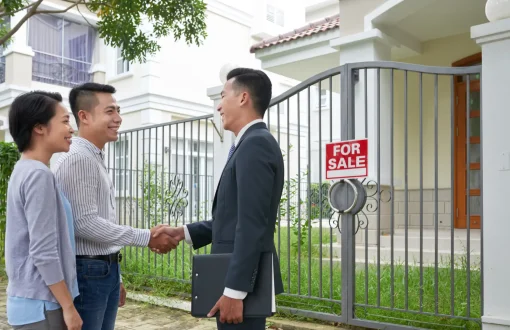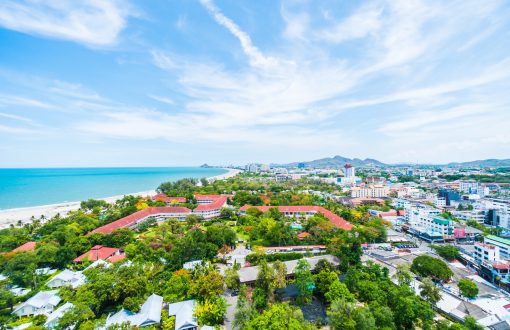

Renting vs Buying in Thailand: Which Makes Sense in 2026?


The question of renting vs buying in Thailand is becoming more common in 2026. Interest from foreign buyers remains steady. Many expats, retirees, and investors are reviewing their options.
At first, renting looks simple. It requires less commitment. It keeps flexibility.
Buying, however, offers long-term control. It may also provide financial upside.
There is no single answer. The right choice depends on your timeline, budget, and purpose in Thailand.
Let’s break it down clearly.
- Upfront Cost vs Flexibility
Buying property in Thailand requires capital. You must pay a deposit. You must cover transfer fees. There are also maintenance charges and sinking fund payments.
Renting requires far less upfront money. Most rental agreements require only a deposit and advance rent. If you plan to stay short-term, renting often makes sense. It keeps your money liquid. You can relocate easily.
If you plan to stay long-term, buying may offer more stability. Property ownership gives you control over your living space.
Before making a large commitment, many foreign buyers seek structured property advisory support for foreign buyers in Thailand to understand the full financial exposure.
Flexibility matters. But so does long-term positioning.
- Long-Term Cost Comparison
Over a short period, renting is usually cheaper. Over five to ten years, the comparison changes.
Monthly rent adds up. After several years, tenants build no equity. The money is gone.
Owners, on the other hand, build asset value over time. Even if the market moves slowly, ownership creates long-term control.
That said, owners must budget for:
- Maintenance fees
- Repair costs
- Insurance
- Property taxes
Reviewing verified Thailand property listings designed for international buyers helps compare realistic purchase prices with rental alternatives.
The decision becomes clearer when you compare five-year costs rather than just monthly payments.
- Market Conditions in 2026
The Thailand property market in 2026 remains stable. Demand from foreign buyers continues. Rental markets are active in key areas.
However, market cycles still exist. Prices do not always rise quickly. Rental yields vary by location and unit type.
Economic indicators also affect performance. Reviewing data from institutions such as the Bank of Thailand helps buyers understand inflation, currency trends, and financial stability.
Renting reduces exposure to market risk. Buying increases exposure but also creates long-term potential.
Your risk tolerance matters.
- Lifestyle Stability vs Mobility
Lifestyle plays a major role in the renting vs buying decision.
If you are a digital nomad or short-term expat, mobility may be more important than ownership. Renting allows you to move cities or return home without complications.
If you are retiring in Thailand or planning to stay long term, buying can provide comfort and stability.
Visa status also matters. Property ownership does not automatically grant residency rights. Buyers must plan their legal stay separately. Reviewing long stay visa support options for property buyers in Thailand helps align residency planning with housing decisions.
Lifestyle clarity makes the financial decision easier.
- Legal Structure and Ownership Rules
When considering buying property in Thailand as a foreigner, the legal structure is critical.
Foreigners cannot directly own land. Condominium ownership is allowed, but only within the 49% foreign quota of a building.
Understanding official regulations is essential. Buyers should review ownership frameworks through reliable sources such as the Thailand Board of Investment.
Renters avoid legal ownership complexity. Buyers must understand it fully.
This does not mean buying is risky. It means buying requires preparation.
Final Thought
Renting vs buying in Thailand is not an emotional decision. It is a strategic one.
Renting offers flexibility and a lower upfront cost. It works well for short-term stays or uncertain plans.
Buying offers stability and long-term asset control. It suits those planning to stay several years or build a property position in Thailand.
There is no universal answer in 2026. If your stay is temporary, renting may be smarter.
If your timeline is long and your finances are stable, buying may provide stronger long-term value.
The key is clarity. When your timeline, visa status, and financial plan align, the right decision becomes obvious.