

How to Choose the Right Property Location in Thailand

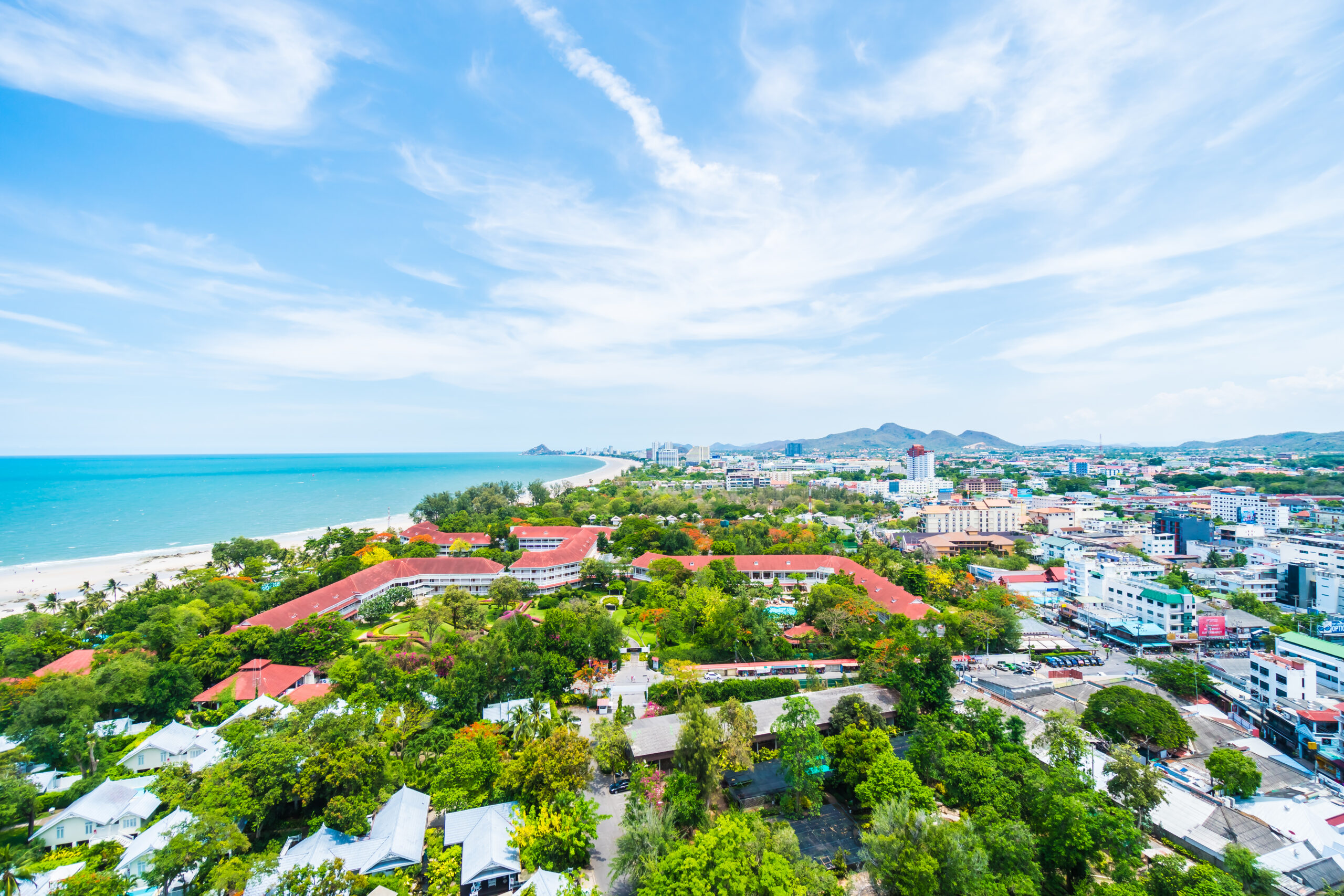
When buying property in Thailand, location matters more than price.
A low price may look attractive. A modern building may look impressive. But if the location is weak, long-term value can suffer. Many foreign buyers choose based on emotion. They fall in love with a view or a design. Later, they realize the area does not match their long-term goals. In Thailand, location affects rental income, resale value, lifestyle comfort, and even legal considerations. Before buying, you must define what the right location means for you.
- Define Your Purpose First
The first step is simple. Why are you buying!
Are you planning to live in Thailand long-term?
Are you investing for rental income?
Are you buying for retirement?
Or is it a holiday home?
Your purpose shapes your location choice.
If you plan to live full-time, you may need easy access to hospitals, supermarkets, and public transport.
If you are investing, you must focus on rental demand and tenant preferences.
Before choosing an area, many foreign buyers seek structured property advisory support in Thailand to clarify their goals and risk level. A clear purpose leads to clearer location decisions.
- Check Infrastructure and Accessibility
Infrastructure directly affects property value.
Look at:
- Road access
- Public transport
- Nearby hospitals
- Shopping centers
- Schools
- Airports
Areas with strong infrastructure tend to hold value better.
Also check future development plans. New highways, rail lines, or commercial centers can increase demand over time.
When comparing areas, reviewing verified Thailand property listings designed for international buyers helps you see which zones attract stronger buyer interest. Good infrastructure supports both lifestyle and investment stability.
- Study Rental Demand and Market Activity
If rental income matters to you, location is critical.
Some areas attract tourists. Others attract long-term residents. Some zones have strong seasonal demand. Others remain stable year-round.
You should ask:
- Is the area popular with expats?
- Are vacancy rates high?
- Is demand stable during low season?
Rental strength depends on the type of tenants in that area.
For buyers planning extended stays, reviewing long stay visa support options for property buyers in Thailand helps align location choice with residency plans.
Rental activity and visa planning often go together.
- Review Legal and Zoning Factors
Location also affects legal structure.
Foreigners cannot own land directly. Condominium ownership must stay within the 49% foreign quota. Some areas have zoning rules that limit building height or property use.
Before buying in any location, you should understand the legal framework. Official foreign investment and ownership guidelines can be reviewed through the Thailand Board of Investment. Legal clarity reduces future risk.
- Evaluate Long-Term Growth Potential
Not all areas grow at the same speed.
Some zones benefit from tourism growth. Others benefit from business expansion. Some areas remain stable but slow.
Look at:
- Economic activity
- Infrastructure investment
- Population trends
- Government development plans
Macroeconomic indicators also influence property markets. Reviewing data from the Bank of Thailand helps you understand broader financial conditions. Long-term growth often matters more than short-term excitement.
Final Thought
Choosing the right property location in Thailand is not about finding the cheapest unit or the best view. It is about alignment. Your purpose, timeline, budget, and residency plan must align with the area you choose.A strong location supports rental demand. It supports resale value. It supports daily life. When buyers take time to study infrastructure, legal rules, market demand, and growth trends, location decisions become more secure. In Thailand, the right location can protect your investment for years to come.